
Oil Pulling in Ayurveda: A Simple Morning Ritual for Oral & Gut Health 🌿
There are some healing practices that feel almost too simple to be powerful. A spoonful of oil, a few quiet minutes in the morning, and a gentle sense of cleansing that begins in the mouth and ripples through the entire body.
Oil pulling is one such ritual—an ancient Ayurvedic practice known as Gandusha or Kavala, still followed in many Indian homes today. For many, the memory goes back to watching grandparents enjoy oil pulling and datun as a dedicated self-care practice.
In this article:
- What Is Oil Pulling? — The “gateway” to internal health.
- Ayurvedic Benefits — From liver support to winter lip care.
- Nani’s Recipe & Step-by-Step — Traditional tips for habit building.
- Common Questions (FAQ) — Safety, timing, and consistency.
What Is Oil Pulling? 🤔
Oil pulling involves swishing oil in the mouth for a few minutes—usually first thing in the morning—and then spitting it out. By morning, the body has worked through the night to push out toxins that rest in the oral cavity; oil pulling effectively flushes these from your system.
In Ayurveda, the mouth is the gateway to internal health. This ritual is believed to:
- Cleanse the oral cavity.
- Reduce harmful bacteria.
- Support gum health.
- Gently assist detoxification.
Why Ayurveda Recommends It ✨
Ayurveda teaches that overnight, the body processes and eliminates toxins, known as ama. In the morning, this buildup may manifest as a coated tongue, bad breath, or a feeling of heaviness and dryness. Oil pulling removes these impurities before you eat or drink, supporting overall balance.
The practice of oil pulling utilizes the principle of biomimicry. When you swish, the oil acts as a powerful emulsifier, binding to the fatty lipid membranes of bacteria and toxins within the oral cavity. This interaction effectively ‘pulls’ these harmful elements from the gumline and teeth, trapping them within the solution to be expelled, rather than swallowed.”
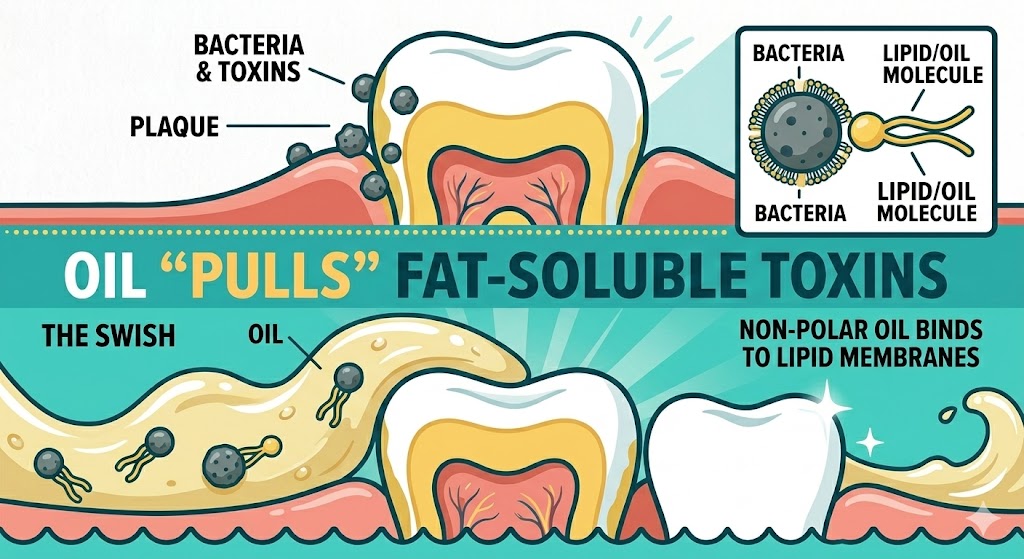
Fig. 1: An AI-generated conceptual visualization showing the molecular mechanism where the oil (lipids) attracts and binds to bacteria.
Oil Pulling Benefits one and all 🦷
While not a replacement for brushing, oil pulling offers deep supportive benefits:
| Benefit | How It Helps |
| Plaque & Enamel | Consistent practice helps dissolve old plaque and protects the enamel layer, making teeth look shinier. |
| Fresh Breath | My mother used a hack of adding 4 to 5 cardamom and cloves to the coconut oil (boil, cool, and store) to immensely improve mouth oduor. |
| Winter Care | It keeps the oral cavity hydrated, which is especially helpful in winter to prevent cracked lips. |
| Liver Support | By clearing toxins the liver has “thrown out” overnight, you support the body’s natural detox functions. |
| Gum Strength | The swishing motion (8–10 minutes) exercises the jaw and increases blood flow to the gums, reducing sensitivity. |
| Gut Health | It supports Agni (digestive fire) by improving taste perception and reducing overall inflammation. |
Pro Tip: If you are looking for anti-inflammatory ways to support weight loss, try oil pulling for a month to help lower the body’s inflammation quotient.
How to Do It: Step-by-Step 📋
Step 1: Choose Your Oil 🥥
- Sesame Oil: Warming; the classic Ayurvedic choice.
- Coconut Oil: Cooling with a pleasant taste.
- Mustard Oil: Often preferred during the winter months.
Nani’s Tip: Beginners should start with coconut oil for better taste. Add a few drops of edible peppermint oil or cardamom essence to make habit-building easier.
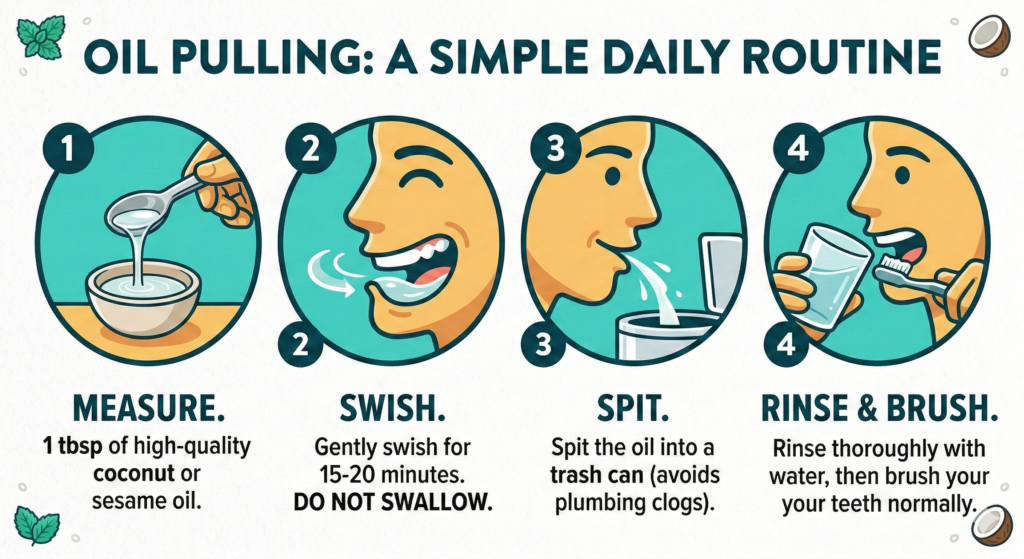
Fig. 2: A simplified, step-by-step AI-generated depiction of the daily oil pulling routine.
Step 2: Take a Small Amount 🥄
- Beginners: Start with 1 teaspoon. You can mix one part oil with two parts warm water to start, gradually reducing the water as you progress.
- Regulars: Use up to 1 tablespoon. Use enough so you can playfully squish it into all corners of the mouth.
Step 3: Swish Gently 🌬️
- Move the oil slowly for 5–10 minutes to start, building up to 15 minutes.
- Important: Do not gargle or swallow. This liquid is collecting toxins; you don’t want to ingest it.
Step 4: Spit & Rinse 🚰
- Spit the oil into a trash bin or the flush. Do not spit into the sink, as it can clog drains.
- Rinse with warm water and brush your teeth and tongue gently afterward.
Common Questions
How often should I do oil pulling?
Daily is traditional, but even a few times a week can be beneficial. But if u build a daily habit of doing it immense liver gut and overall health benefits will be visible.
Is oil pulling safe for everyone?
Most healthy adults tolerate it well, but avoid if:
- you have difficulty swishing
- you tend to gag easily
- children cannot spit properly
- check and use the oil which ever suits u. someone might be allergic to sesame or mustard oil so they should stick to coconut oil .
Can I swallow the oil?
No. Always spit it out, as it may contain bacteria and impurities. Ingesting few drops during the process is not harmful after all its edible oil.
Does oil pulling replace brushing?
No. It is an additional supportive practice, not a substitute for brushing.
A Gentle Closing Thought
Oil pulling is not about doing something extreme.
It is about returning to small, steady rituals that remind the body it is cared for.
One spoonful.
A few minutes of stillness.
A quiet beginning.
Sometimes, healing starts exactly like that.
ShantiRatan Wellness Note
These practices are part of traditional wellness culture and may support daily balance, but they are not medical treatment. We have seen our grandparents and parents practice it, have tried ourselves and thus sharing lived experiences.
Always consult your dentist or healthcare provider for persistent oral or digestive concerns.
Continue Your Wellness Journey
Small rituals lead to big shifts. If you found this guide helpful, I invite you to explore the Grandparent’s Directory, where I share more time-tested wellness tips and ancestral wisdom.
For those days when you’re short on time, don’t miss our Quick Tips Cards—short, actionable insights designed to fit perfectly into a busy modern lifestyle.
[Read More Wisdom] | [View Quick Tips]